Why Roasted Makhana Is Trending as India's Favourite Guilt-Free Snack
From sacred ritual food to modern super-snack: how puffed Bihar lotus seeds captured the hearts of conscious snackers across urban India.
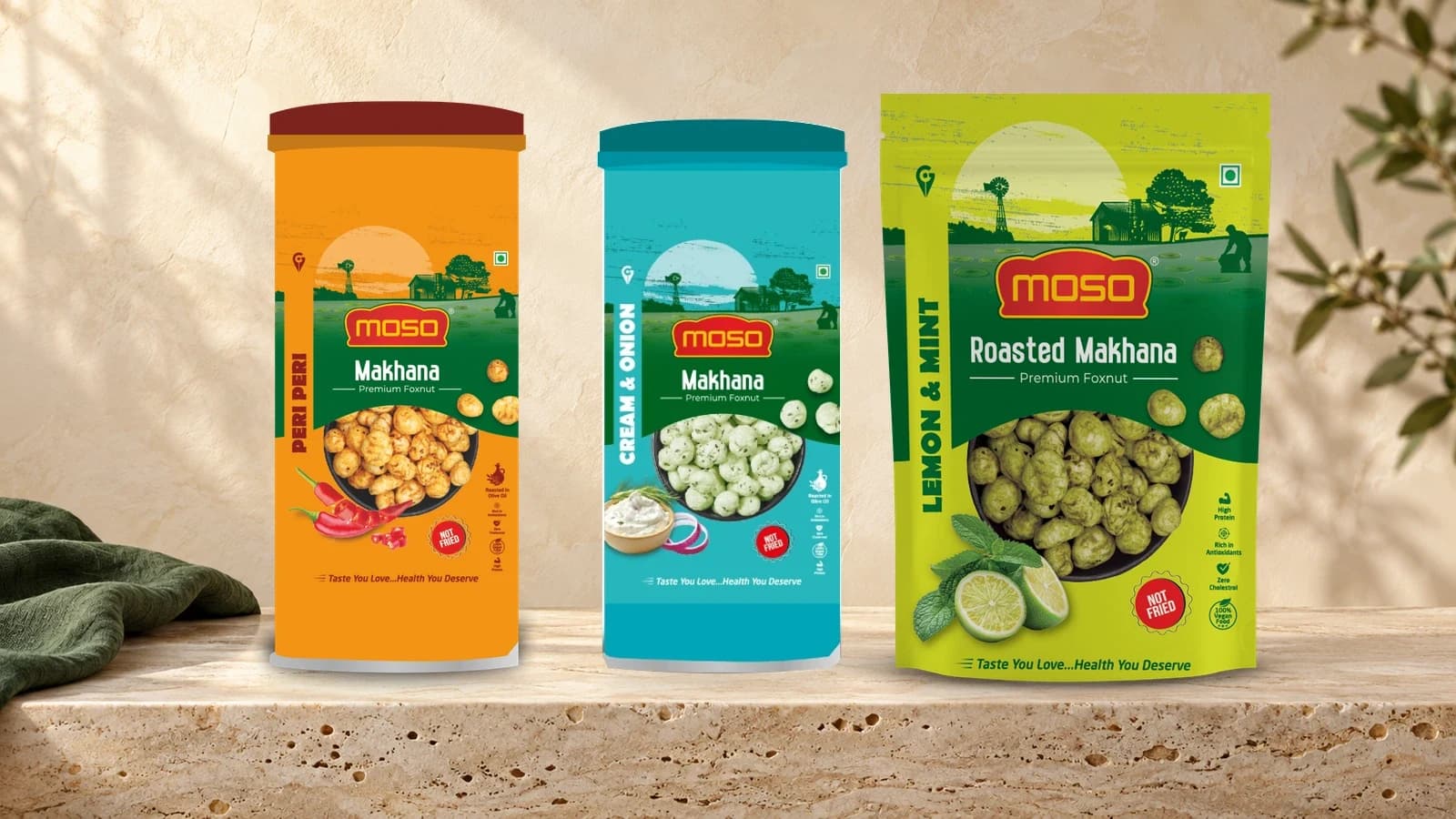
Roasted makhana consumption in Indian metro households has surged over 40% year-on-year, driven by its combination of 9.7g protein per 100g and zero trans-fat profile.
Roasted makhana (also called fox nuts or phool makhana) has moved from the puja thali to the office desk. Walk through any metro supermarket today and you will find it next to chips and namkeen, often in flavours like peri peri and cream & onion. This guide explains why roasted makhana is trending as India's favourite guilt-free snack, what makes it different from fried snacks, and how to choose a good pack.
What Is Roasted Makhana?
Makhana is the popped seed of the water lily Euryale ferox, grown in ponds and wetlands, mainly in Bihar's Mithila region. Mithila makhana carries a GI tag, which recognises its regional origin and traditional farming. The seeds are harvested, dried, and popped into light, white puffs. Roasted makhana is that puff, slow-roasted with little or no oil and finished with salt or seasoning.
Makhana has been eaten for generations during fasts and festivals. What is new is how it is being packed and flavoured for everyday snacking.
From Deep-Fried Namkeen to Wholesome Puffs
For decades, Indian evening tea meant deep-fried namkeen, extruded corn curls and potato chips. As more people began watching their weight, blood sugar and heart health, they still wanted the same things from a snack: crunch, spice and something to share. They just wanted less oil.
Roasted makhana fits that gap. It is light and crunchy, takes seasoning well, and is roasted rather than deep-fried. That is why it is showing up in office pantries, gym bags, school tiffins and fasting menus alike.
Several things have pushed the trend along. Fitness-minded urban buyers now read nutrition labels before they buy. Dietitians and wellness creators regularly suggest makhana as a swap for chips. Online grocery and direct-to-consumer brands have made small, well-packed jars easy to order anywhere in the country. Makhana also works as a gift, since it carries a festive and traditional feel while still looking modern on the shelf. Together, these shifts have turned a regional ingredient into a national snack.
Roasted Makhana Benefits: Why It Wins the Snack Aisle
Here is how makhana compares with typical packaged snacks.
- Plant protein: Makhana provides a useful amount of protein for a light snack, which helps you feel full for longer.
- Low in fat when roasted: Slow-roasted makhana does not soak up oil the way fried snacks do.
- Fibre and minerals: It naturally contains minerals such as magnesium, potassium and phosphorus.
- Gluten-free by nature: Plain makhana is made from a single ingredient, so it suits many gluten-free diets.
- Light on the stomach: Many people find it easier to digest than heavy, oily snacks, which is why it is a fasting favourite.
- Lower glycemic load: Makhana is often described as a low glycemic index food. If you manage diabetes, check portion sizes with your doctor or dietitian.
Always read the label. A pack with a short ingredient list and no palm oil is a better choice than one loaded with flavour dust and preservatives.
The real advantage of makhana is how easily it fits into a normal day. A handful in the mid-afternoon can take the edge off hunger before dinner, so you are less tempted to reach for biscuits or fried snacks. Before a workout it gives a light bite that does not sit heavy, and after a workout it pairs well with a glass of milk or a bowl of curd. Because it is filling without being heavy, many people use it to replace the late-night snack they would otherwise regret. As with any snack, portion control still matters, especially with flavoured packs.
Gourmet Flavours Meet an Ancient Superfood
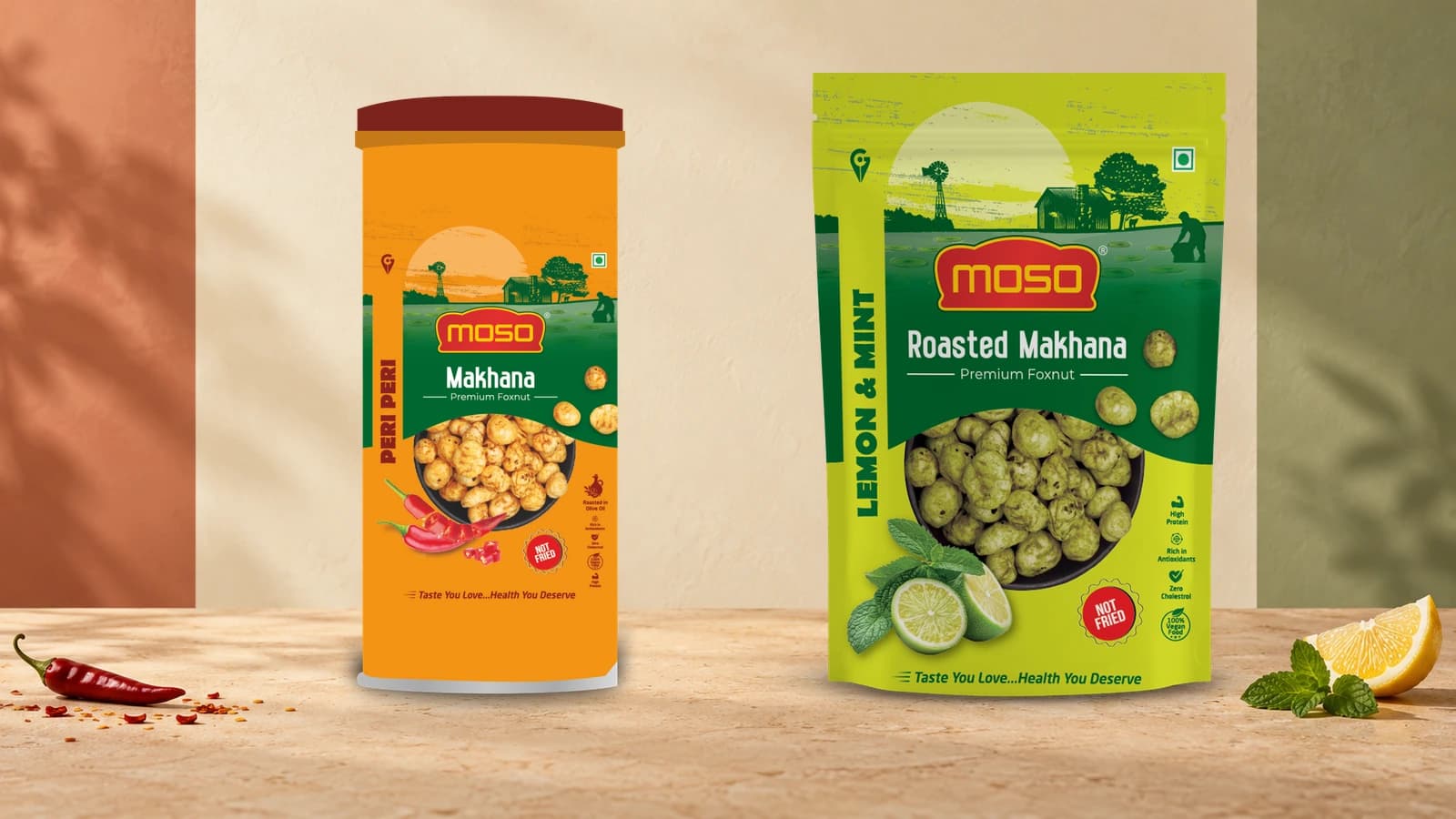
Plain roasted makhana is mild, which makes it a blank canvas. Modern seasoning has turned an old puja ingredient into a daily snack with options like:
- Peri Peri for bold, tangy heat. Try our Peri Peri Roasted Makhana.
- Cream & Onion for a familiar chip-style savoury taste.
- Kashmiri Saffron for a mildly sweet, aromatic finish.
You can browse the full range on our flavours page.
The way makhana is roasted decides how good the final snack tastes. Slow roasting at a controlled temperature dries the puff evenly, so it turns out crisp all the way through instead of chewy in the centre. Seasoning is then applied in small batches so every puff is coated lightly rather than clumped or greasy. This careful approach is what separates a snack you finish in one sitting from one you leave half-eaten in the pack.
How to Choose Good Roasted Makhana
Not every pack is equal. Look for:
1. Roasted, not fried: The label should say roasted and list the oil used, if any. 2. Size and colour: Large, white, evenly popped puffs usually mean better grade makhana. 3. A short ingredient list: Makhana, a little oil, salt and spices. Avoid long lists of additives. 4. Fresh crunch: Good makhana snaps cleanly. Chewy or stale puffs point to poor storage or packaging. 5. Certified manufacturing: Check for FSSAI licensing and food safety certifications. See our certificates and how we roast in our processing guide.
Storage matters too. Makhana absorbs moisture quickly, which is the main reason it goes soft. Once you open a pack, press out the air, seal it tightly or move the puffs to an airtight jar, and keep it away from humid kitchen corners. If a batch does soften, a minute or two in a dry pan on low heat usually brings the crunch back.
Easy Ways to Eat Roasted Makhana
- As an evening tea snack instead of namkeen
- Tossed into trail mix with nuts and seeds
- Crushed as a crunchy topping on salads and chaat
- As a light snack in a lunchbox or on long travel days
- In a fasting meal, where it is traditionally eaten
Buying Roasted Makhana in Bulk
Cafes, gyms, retailers and brands are adding makhana to their menus and shelves. If you are looking for bulk supply, private labelling or export, you can send us your requirement through our bulk enquiry page.
Frequently Asked Questions
Is roasted makhana good for weight loss?
Roasted makhana is low in fat and keeps you full, so it can replace fried snacks as part of a balanced diet. Portion size still matters, especially with flavoured varieties.
Can I eat roasted makhana every day?
For most healthy adults, a small handful a day is fine. If you have kidney issues, diabetes or any medical condition, check with your doctor first.
What is the difference between makhana and phool makhana?
They are the same product. Phool makhana is simply another name for popped fox nuts.
Is roasted makhana better than popcorn or chips?
Roasted makhana is usually lower in fat than chips and offers more protein than most popcorn. The exact comparison depends on the brand and seasoning, so check the nutrition label.
Where does most makhana come from?
Most of India's makhana is grown in Bihar, especially the Mithila region, where it has been cultivated for generations.
The Bottom Line
Roasted makhana is trending because it gives people what they want from a snack: crunch, flavour and a lighter ingredient list. Choose a brand that roasts rather than fries, keep an eye on the label, and you have a snack that works for tea time, travel and everything in between.
Food technologist and indigenous crops researcher documenting the revitalization of Bihar aquaculture products.
Featured Flavours in this Article
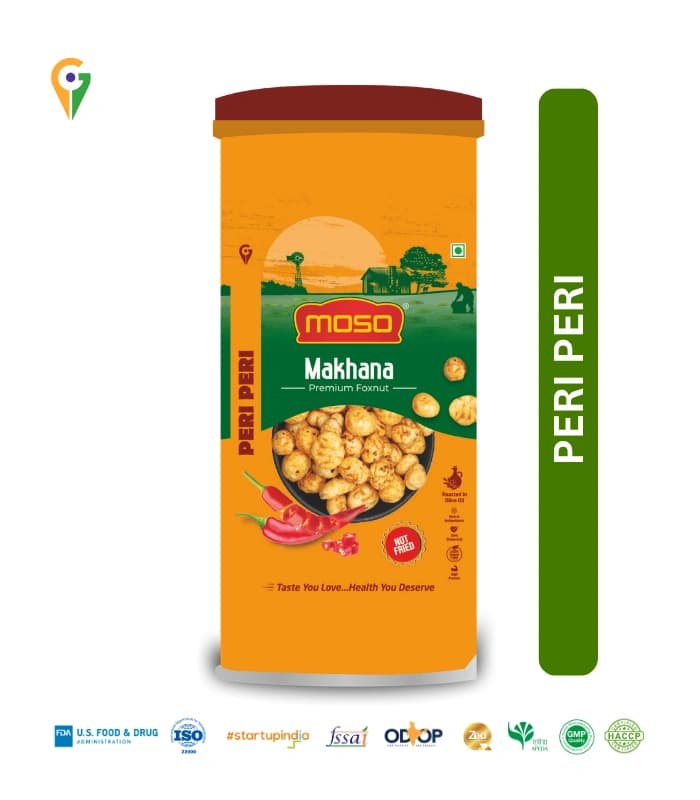
Fiery Peri Peri Roasted Makhana
Crunchy Bihar fox nuts slow-roasted in cold-pressed olive oil and tossed with zesty African bird's eye chili & herbs.
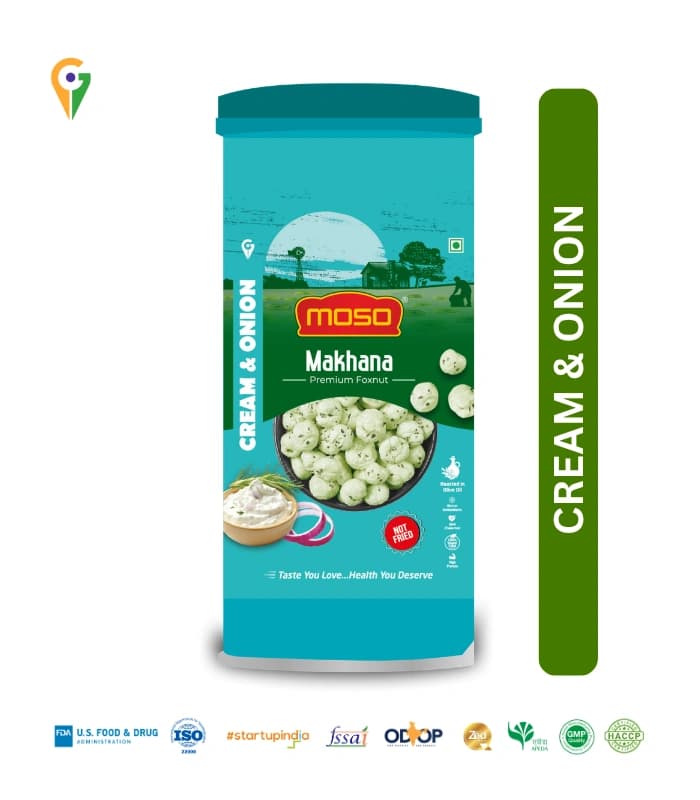
Gourmet Cream & Onion Roasted Makhana
Rich, savoury toasted chives and velvety sweet sour cream dusting over crunchy roasted lotus seeds.