
Artisanal Makhana Recipes & Cooking Guides
From festive royal puddings to 10-minute crunchy stovetop snacks. Easy step-by-step instructions with complete nutritional values verified by our food technologists.
The Culinary Science of Cooking & Roasting Makhana
Makhana (Euryale ferox), harvested from the serene wetland ponds of Mithila and the Kosi basin in northern Bihar, is one of the most versatile functional superfoods in Indian culinary tradition. Raw popped lotus seeds contain microscopic air pockets surrounded by delicate carbohydrate walls. When unroasted, these seeds readily absorb ambient moisture from the air, causing them to turn chewy and lose their distinctive snap. Transforming raw makhana into gourmet snacks, silky festival desserts, or cooling accompaniments requires an understanding of heat distribution and seasoning adherence.
1. Low-Heat Dry Roasting Mechanics
Achieving restaurant-grade brittle shatter on the stovetop requires a heavy-bottomed iron or stainless steel kadai on low to medium flame. Never rush the process on high heat, which chars the outer hull while leaving the core spongy. Slow dry roasting for 6 to 8 minutes evaporates residual moisture. To test doneness, press a seed between your thumb and forefinger: it should shatter instantly with a crisp audible snap rather than compressing.
2. Cold-Pressed Oil & Spice Coating Technique
Because makhana has a neutral, gently nutty flavor profile, it functions as a gastronomic canvas. To ensure fine spice powders adhere evenly without pooling at the bottom of the pan, toss freshly roasted warm seeds in half a teaspoon of cold-pressed oil, pure cow ghee, or unrefined coconut oil. Turn off the flame immediately before adding spices like roasted cumin, rock salt, chaat masala, or fiery chili to prevent volatile spice aromas from scorching.
Beyond savory evening tea snacks, makhana plays a cherished role in Ayurvedic cooking and fasting (Farali) feasts such as Navratri, Shivratri, and Ekadashi. In traditional Bihar households, coarse crushed makhana is simmered slowly in full-fat milk to release natural starches, creating a luxurious kheer without artificial thickeners or refined flour. Its low sodium content and abundant potassium make it an exceptional heart-healthy alternative to corn curls and deep-fried potato chips. Explore our curated, kitchen-tested recipes below.
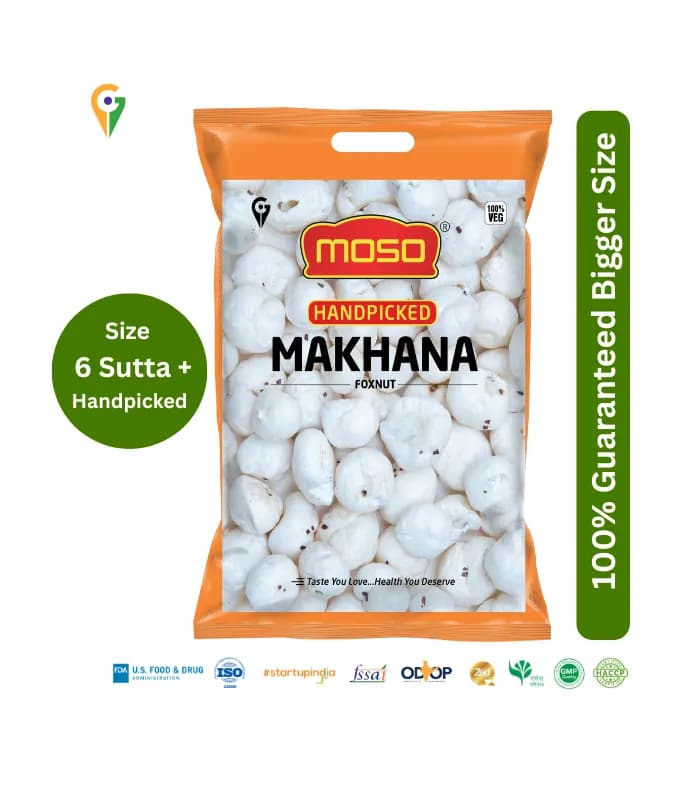
Crispy Roasted Masala Makhana at Home (10-Minute Recipe)
The ultimate 10-minute stovetop snack: crunchy popped lotus seeds tossed in warm ghee, turmeric, chaat masala, and Kashmiri red chili.
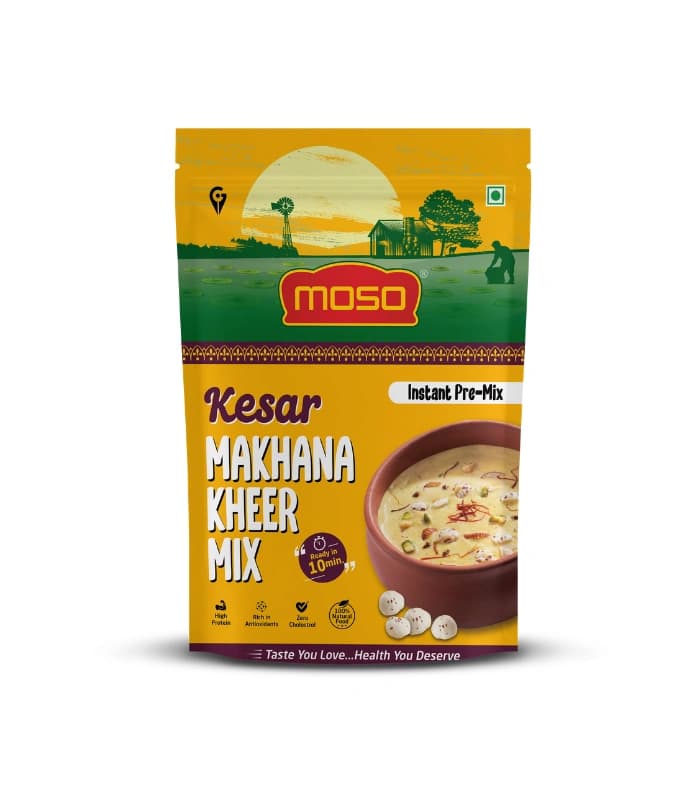
Chatpata Street-Style Roasted Makhana Chaat (Healthy Snack)
A lip-smacking high-protein street chaat made with crunchy roasted makhana, sweet pomegranate jewels, crunchy veggies, and tangy tamarind-mint chutneys.
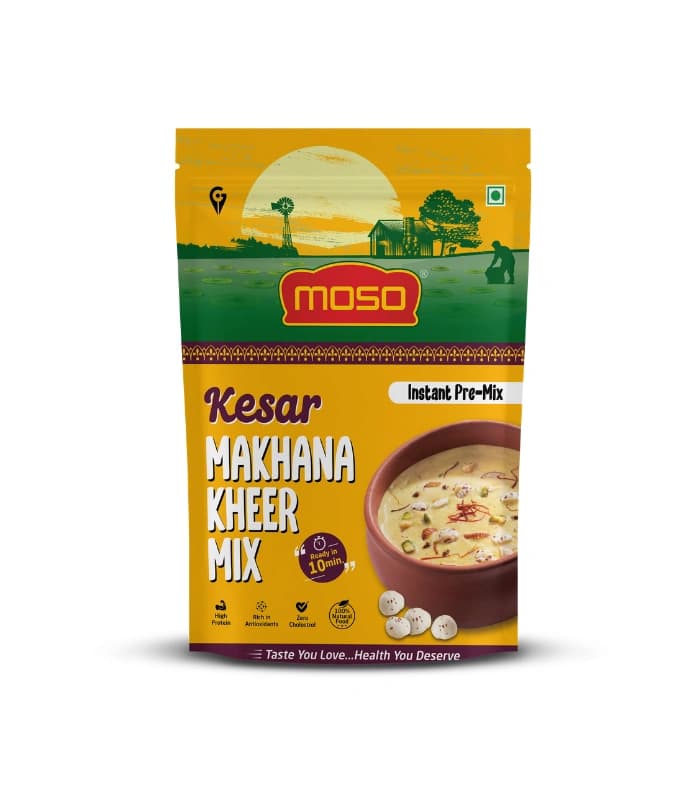
Cooling Makhana Raita with Roasted Cumin & Fresh Herbs
A refreshing probiotic accompaniment: crunchy roasted makhana folded into chilled whisked yogurt, seasoned with bhuna jeera, fresh mint, and pomegranate pearls.
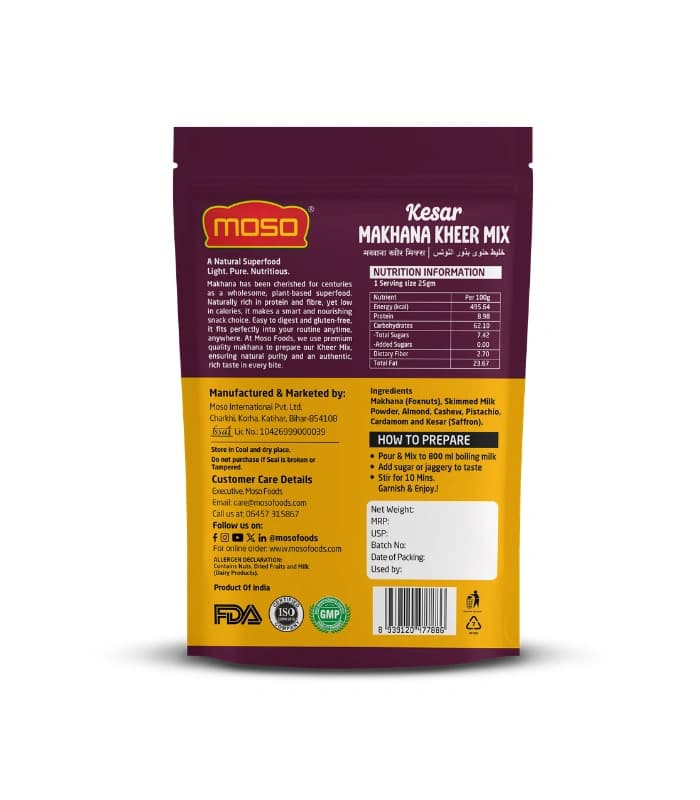
Royal Makhana Kheer (Rich Lotus Seed Pudding)
A fragrant, creamy traditional festive dessert simmered with crushed roasted makhana, saffron strands, green cardamom, and toasted nuts.