Makhana Articles, Insights & Sourcing Stories
Evidence-based articles on makhana (foxnuts) biology, metabolic health, culinary science, and fair-trade harvest practices in Katihar, Bihar.
The Superfood Revolution: From Bihar's Wetlands to Global Pantries
Makhana (Euryale ferox Salisb.), known globally as prickly water lily seeds or foxnuts, has sustained traditional agrarian communities in the Mithila and Kosi regions of Bihar for more than a millennium. Over 85% of the world's commercial makhana harvest originates from a compact cluster of districts in northern and eastern Bihar, including Katihar, Purnia, Darbhanga, and Madhubani. Here, calm freshwater oxbow lakes, shallow wetland ponds (chaurs), and perennial water bodies provide the mineral-dense silt required for the prickly aquatic flora to thrive without chemical pesticides.
1. The Agro-Ecology of GI-Tagged Mithila Makhana
Awarded the prestigious Geographical Indication (GI) tag by the Government of India, authentic Mithila Makhana is recognized for its unique seed diameter, brilliant white puffed core, and naturally alkaline mineral constitution. Farmers wade waist-deep into muddy aquatic beds to scoop up black spiny seeds using woven bamboo nets (ganj). Each seed undergoes sun-curing, precision grading, and high-temperature popping under wood-fired earthen ovens—a labor-intensive craft preserved by generations of traditional harvesting families.
2. Metabolic Health & Modern Food Processing
Clinical food analysis confirms that makhana possesses a low glycemic index (<55), making it a valuable carbohydrate choice for diabetic blood sugar stability. Supplying 9.7 grams of clean plant protein and 14.5 grams of dietary fiber per 100 grams, it stimulates prolonged satiety without arterial inflammation. Unlike deep-fried namkeens cooked in repeated palm oil cycles, modern industrial hot-air roasting applies clean circulating convective air and cold-pressed oils, yielding a crisp shatter with zero trans-fat.
Through our research journal, Moso International Private Limited documents technical advancements in post-harvest moisture control, clean-room hygienic packaging, ISO 22000 quality standards, and the transition toward ethical farmgate procurement. Whether you are a health-conscious consumer choosing clean evening snacks, a culinary chef developing festive desserts, or an international food distributor evaluating B2B contract packaging, our articles offer transparent, research-backed insights into India's timeless superfood.
 Trends & Culture
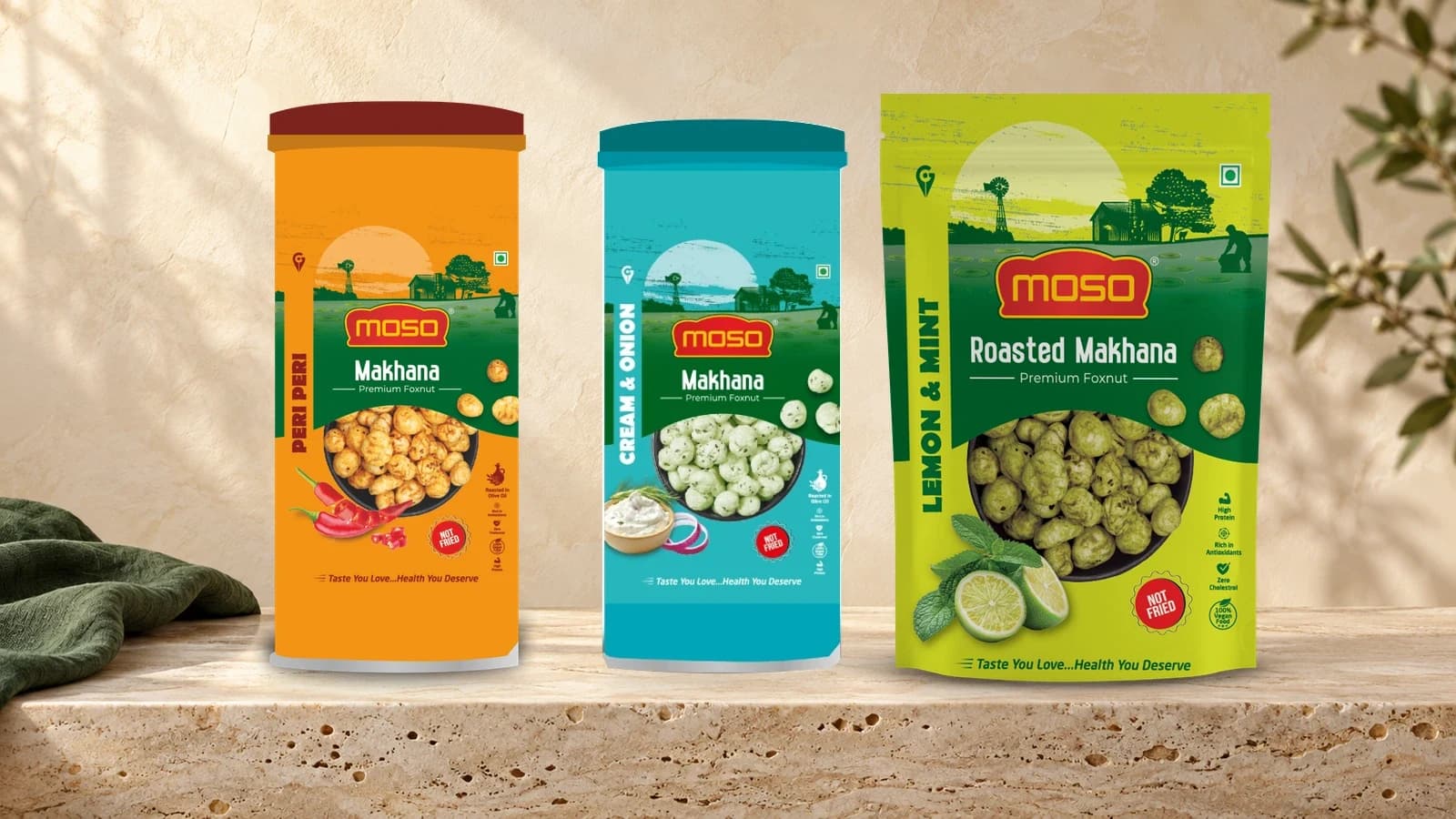
Why Roasted Makhana Is Trending as India's Favourite Guilt-Free Snack
From sacred ritual food to modern super-snack: how puffed Bihar lotus seeds captured the hearts of conscious snackers across urban India.
 Comparisons & Nutrition
Makhana vs Namkeen: Which Is the Healthier Evening Snack?
A side-by-side nutritional showdown comparing traditional fried bhujia, sev, and chips against slow-roasted lotus seeds.
 Origin & Heritage
The GI-Tagged Story of Bihar Makhana: From Ponds to Your Snack Bowl
Explore the geographic origin, cultural heritage, and traditional harvesting methods behind Bihar's prestigious GI-tagged Phool Makhana.
 Trends & Culture
10 Creative Ways to Use Roasted Makhana Beyond Snacking
Transform crunchy popped lotus seeds into curries, crunchy salad croutons, probiotic parfaits, and festive sweets.
 Lifestyle & Gifting
Makhana for Office Snacking: A Healthier Alternative to Chips at Your Desk
How keeping a jar of seasoned roasted makhana at your workstation eliminates 4 PM energy crashes and brain fog.
 Origin & Heritage
How Roasted Makhana Is Made: From Pond Harvest to Hygienic Roasting
An inside look at our 12,000+ sq. ft. processing facility in Katihar, Bihar, where traditional popping meets modern food safety standards.
 Lifestyle & Gifting
Makhana Gifting Guide: Best Flavours and Hampers to Gift This Festive Season
Replace calorie-heavy traditional mitaahi with elegant, health-forward roasted makhana gift hampers for Diwali and celebrations.
Comparisons & NutritionIs Roasted Makhana Good for Kids? A Parent's Guide to Healthy Tiffin Snacks
Why pediatricians and nutritionists recommend popped lotus seeds for school lunchboxes, bone growth, and natural calcium supplementation.
Quality & ScienceMakhana Allergen & Ingredient Guide: What's Really in Your Snack Pack
A complete transparency report on allergens, gluten contamination, seed botany, and dietary suitability for sensitive digestive systems.
Quality & Science5 Signs You're Buying Low-Quality Makhana (and How to Spot the Real Thing)
How to evaluate pop diameter, moisture retention, residual black seed coats, and rancid frying oils when selecting premium grade makhana.
 Quality & Science
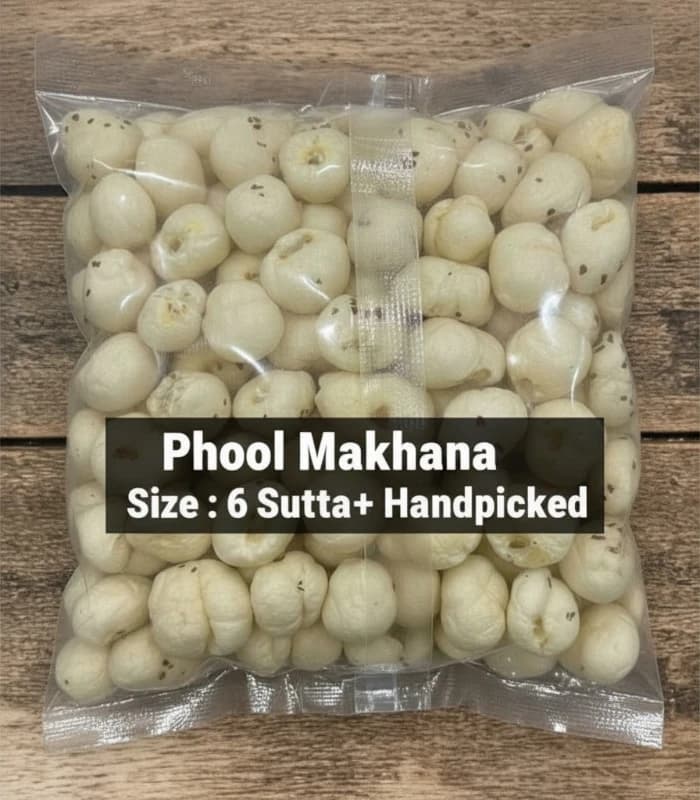
Makhana Export Quality Explained: What 'Grade AAA' Actually Means
Demystifying Sutta sizing (4, 4.5, 5, 6 Sutta+), moisture standards, and international USFDA & ISO compliance for consumer snackers.
 Comparisons & Nutrition
Post-Workout Snacking: Why Roasted Makhana Beats a Protein Bar
Why fitness enthusiasts are switching from ultra-processed protein bars filled with artificial sweeteners to whole-food roasted makhana.